October 09, 2026



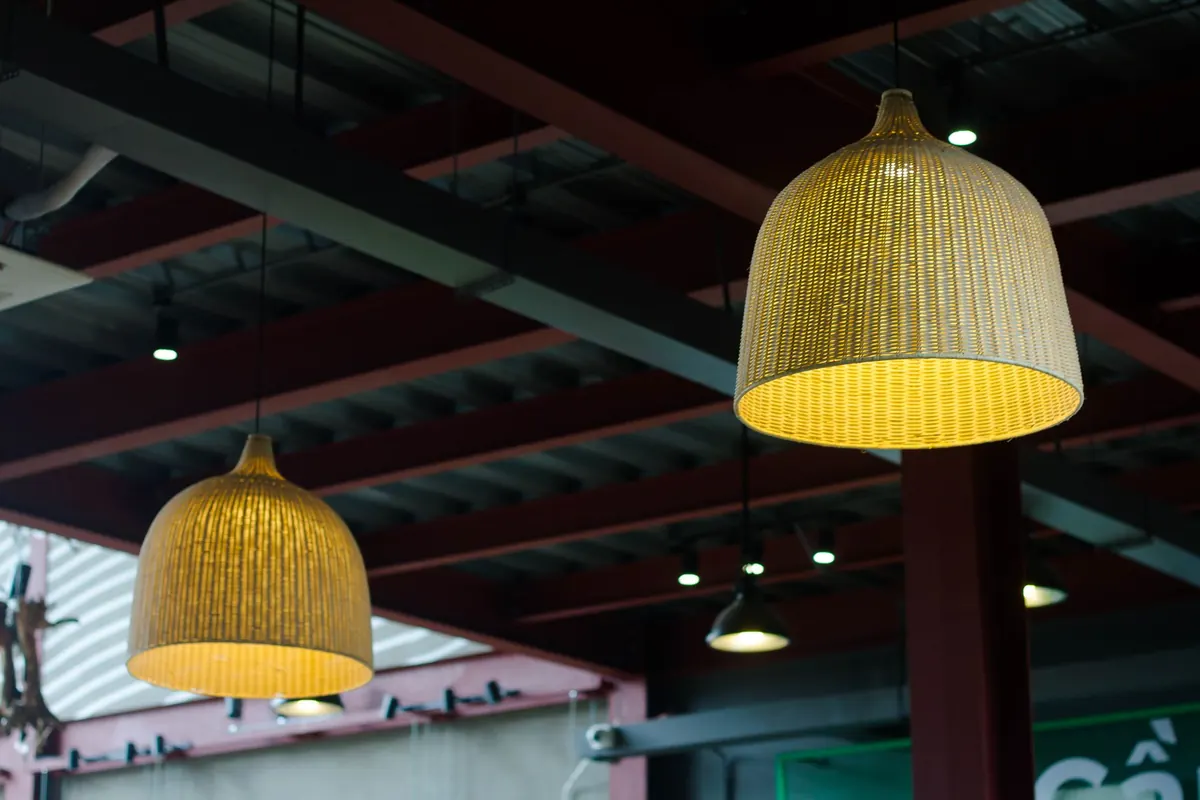
Swapping a bulb changes a room faster than repainting it, and it costs a fraction of the price. Yet most of us buy whatever says "warm white" on the front of the box, screw it in, and wonder why the sitting room feels like a waiting area. The number that matters is printed in small grey type on the side: a figure in Kelvin, usually between 2200K and 6500K. Get that right and a tired room softens; get it wrong and no amount of cushions will save it.
Colour temperature describes how warm or cool the light looks, not how bright it is. Brightness is measured in lumens, and the two are completely separate. A 2700K bulb and a 4000K bulb can both give you 800 lumens — one will feel like candlelight in a snug, the other like an office corridor.
The scale runs backwards from what you might expect. Lower numbers are warmer and more amber. Higher numbers are whiter and, past about 5000K, faintly blue. The classic incandescent bulb we all grew up with sat at roughly 2700K, and that glow is what most people mean when they say a room feels "cosy". LEDs can now reproduce it accurately, and often they do it better than the old bulbs because the colour stays consistent as they warm up.
Retailers use loose language, so ignore the marketing names and read the numbers. In practice, almost everything falls into three groups.
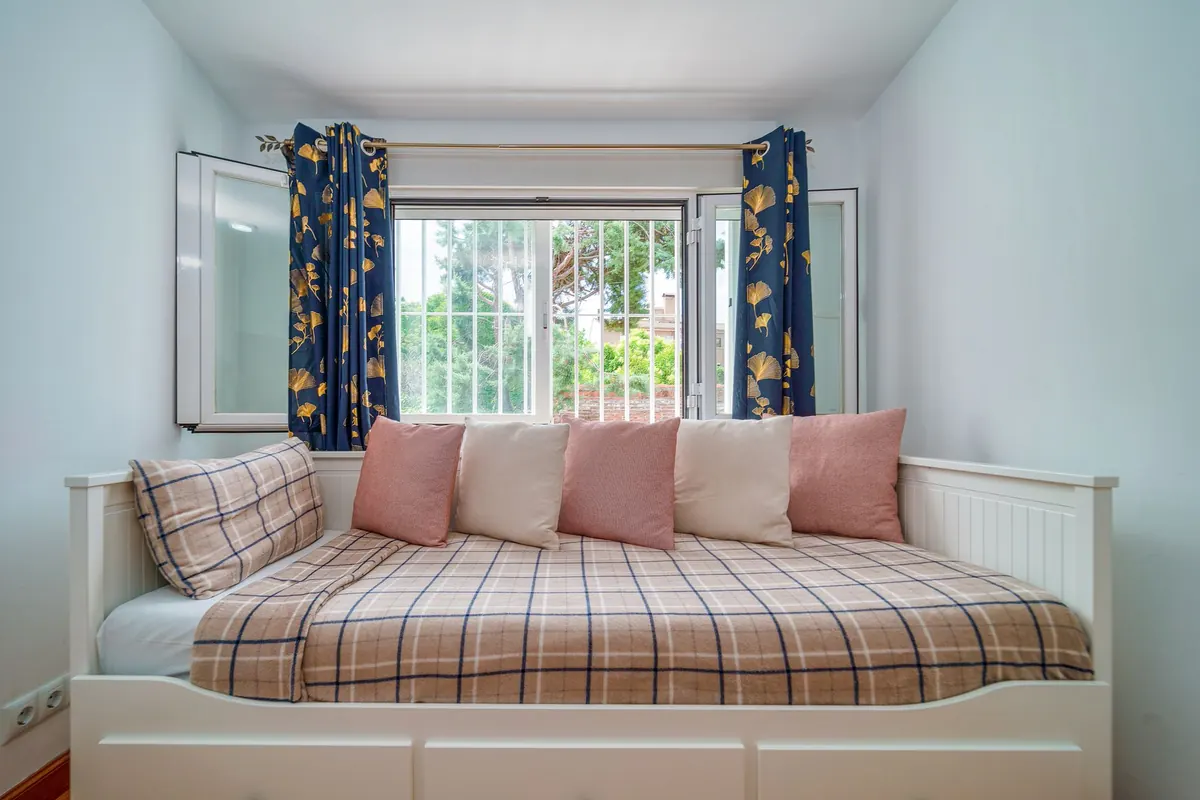
Stay warm: 2700K, or 2400K–2700K for bedside lamps. These rooms are used in the evening, when your eyes are already adapting to darkness and the body is winding down. Warm light on a grey or navy wall reads as depth; the same wall under 5000K reads as cold concrete. If you have a bay window and pale walls, one warm bulb in a shaded floor lamp will do more for the room than a brighter ceiling fitting.
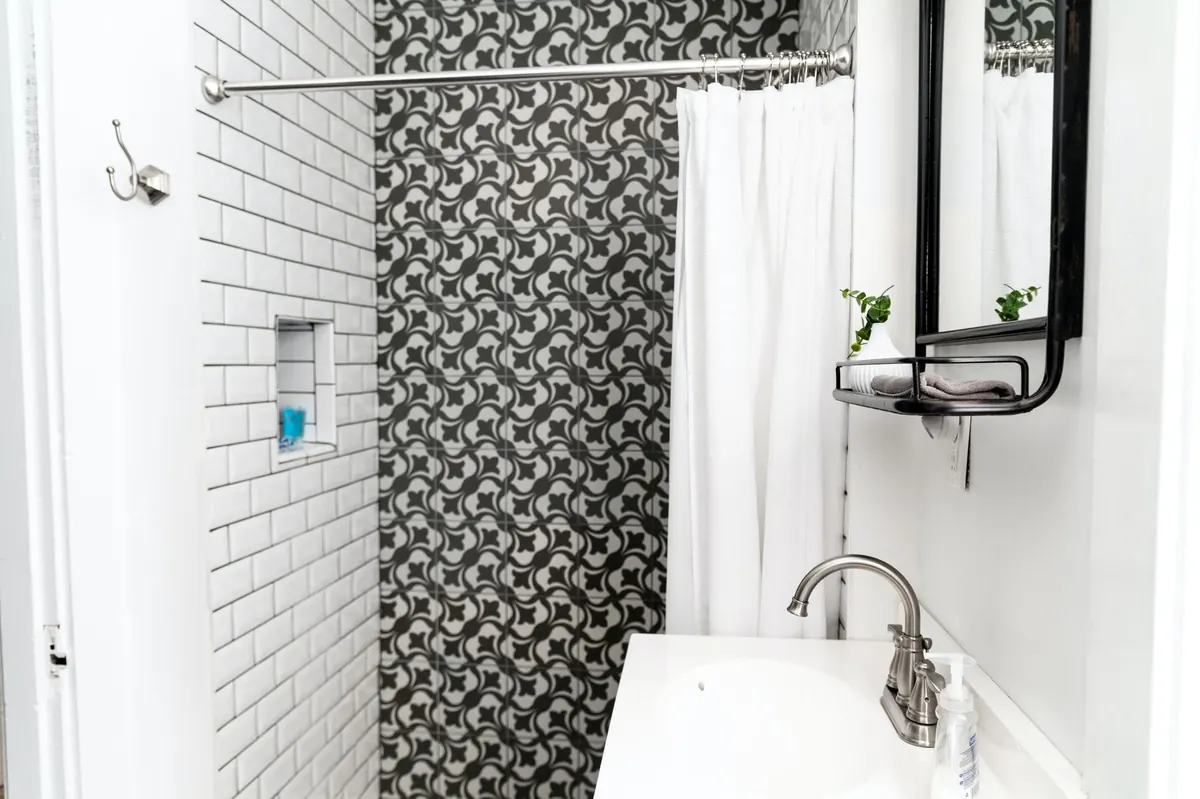
This is where 3000K–4000K earns its keep. Chopping vegetables, reading labels, applying make-up and checking whether the whites are actually white all benefit from cleaner light. A good arrangement is 4000K ceiling downlights over the worktop, then 2700K pendants over a dining table or breakfast bar so the two zones feel different. Bathroom mirror lights at 4000K remove the yellow smear that warm bulbs put across your face; keep the rest of the bathroom nearer 3000K so it doesn't feel like a surgery.
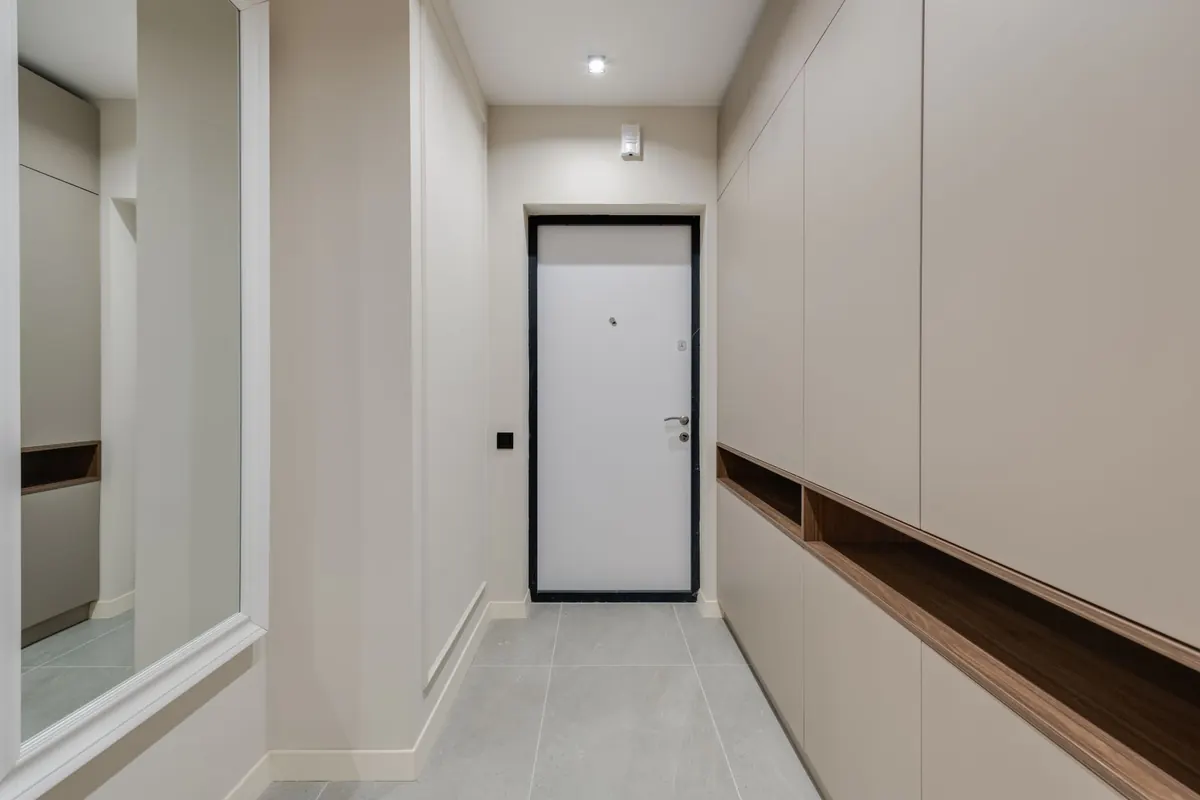
Hallways are transit spaces, used briefly and often in shoes and coats — 3000K–3500K works well and keeps things feeling crisp without a chill. For a home office, 4000K reduces the strain of comparing paper to screen, but if you take a lot of video calls, check how your face looks before committing; many people prefer 3500K on camera. Stairs and landings suit warm white at a slightly higher brightness, with a dim night-time option if anyone gets up in the dark.
A 4000K bulb in a ceiling pendant above a sofa feels wrong. The same bulb in a desk lamp, with the shade directing light onto a page, feels perfectly fine. Distance and shade do a lot of the work.
So build rooms in layers rather than hunting for one perfect bulb: a soft ceiling light or two spots for general illumination, a floor lamp for a pool of light near a chair, a table lamp for reading, and perhaps a low-level strip or small lamp for evenings. Keep every layer in a room within about 500K of the others so nothing looks mismatched. If you can, use dimmable bulbs on a compatible dimmer — good dimmable LEDs shift warmer as they dim, and evenings become noticeably gentler. Check the bulb packaging says "dimmable" before you buy; a non-dimmable LED on a dimmer will flicker or buzz.
Look at the surfaces you're lighting. Warm light (2700K–3000K) flatters oak, walnut, brass, terracotta, wool, and reds, greens and browns. Cooler light (3500K–4500K) suits chrome, glass, white joinery, grey stone and blues. If your kitchen has grey units and a white worktop, warm bulbs can make the whole scheme look slightly dirty; if your sitting room is full of old pine and a wool rug, cool bulbs will drain the life out of it.
Also think about which way the room faces. North-facing rooms in the UK already receive cool, flat light for much of the year, and topping that up with 5000K bulbs makes them feel like a station concourse. Counter it with warm white and a couple of warm-toned lamps. South-facing rooms can take a cooler bulb without feeling bleak, especially in summer.
One useful habit: buy a single bulb, fit it at the time of day you actually use the room, and live with it for a week before buying the rest.
Pick one base temperature per room and write it down — 2700K for bedrooms and sitting rooms, 4000K for kitchens and bathrooms, 3000K–3500K for halls and studies. Keep a note of the brand and the Kelvin figure on your phone, so replacements match years later when the packaging has changed. Then layer: general light, task light, and something low and warm for the evening. If a room still feels off, change the lampshade before you change the bulb — a fabric shade diffuses and warms, a bare bulb or a metal shade directs and hardens.
Start with the room you use most after dark. One bulb, one lamp, one evening. It's the cheapest decorating decision in the house, and often the one that makes the biggest difference.
Photo: Pew Nguyen / Pexels
Small ideas for cozy corners and compact homes.
Copyright © 2026 Nook Bit. All rights reserved. Nook Bit.