October 09, 2026


Open-plan living solved one problem and created another. The kitchen-diner is bright, sociable, and you can keep an eye on the oven from the sofa. But by eight in the evening it can feel less like a room and more like a corridor with a kettle in it. What you want is somewhere to curl up with a book while somebody else loads the dishwasher — without putting up a stud wall. The answer is a snug that behaves like a separate room while sharing the same floor. Here is how to build one, layer by layer.
Snugs work best where the room already turns a corner. Look for the spots that are awkward for anything else: under a window, in the far corner, at the end furthest from the sink, beside a chimney breast, or in the recess next to the fridge. Those places are usually too small for a dining table and perfectly sized for two armchairs.
Then protect the walking route. In a busy open-plan room, leaving roughly 90cm of clear floor between the kitchen run and the back of your seating is the difference between a nook and an obstacle course. If you cannot spare that, the seating belongs somewhere else.
Finally, think about what you see from the hob. If your view is the back of an armchair rather than its seat, the seating reads as a separate zone even when nobody is sitting in it. Sight lines do as much zoning work as furniture does.
You are not adding a partition, so the furniture has to do the enclosing. That means choosing pieces with height and side to them.
Before you buy anything, mask the footprint out on the floor with tape, or simply shove your existing chairs into the corner for an evening. Ten minutes of shuffling tells you more than an hour of browsing.
A rug is the cheapest room divider you will ever buy, but only if it is the right size. The front feet of every chair should sit on it. A rug smaller than the seating group looks like a bath mat and divides nothing at all. If in doubt, go bigger.
Layering works well here. Start with a large flatweave jute or sisal to claim the whole zone, then add a smaller wool rug on top where feet actually land. Keep the pile shallow if the snug sits next to the dining table, or you will be fighting a dining chair every mealtime.
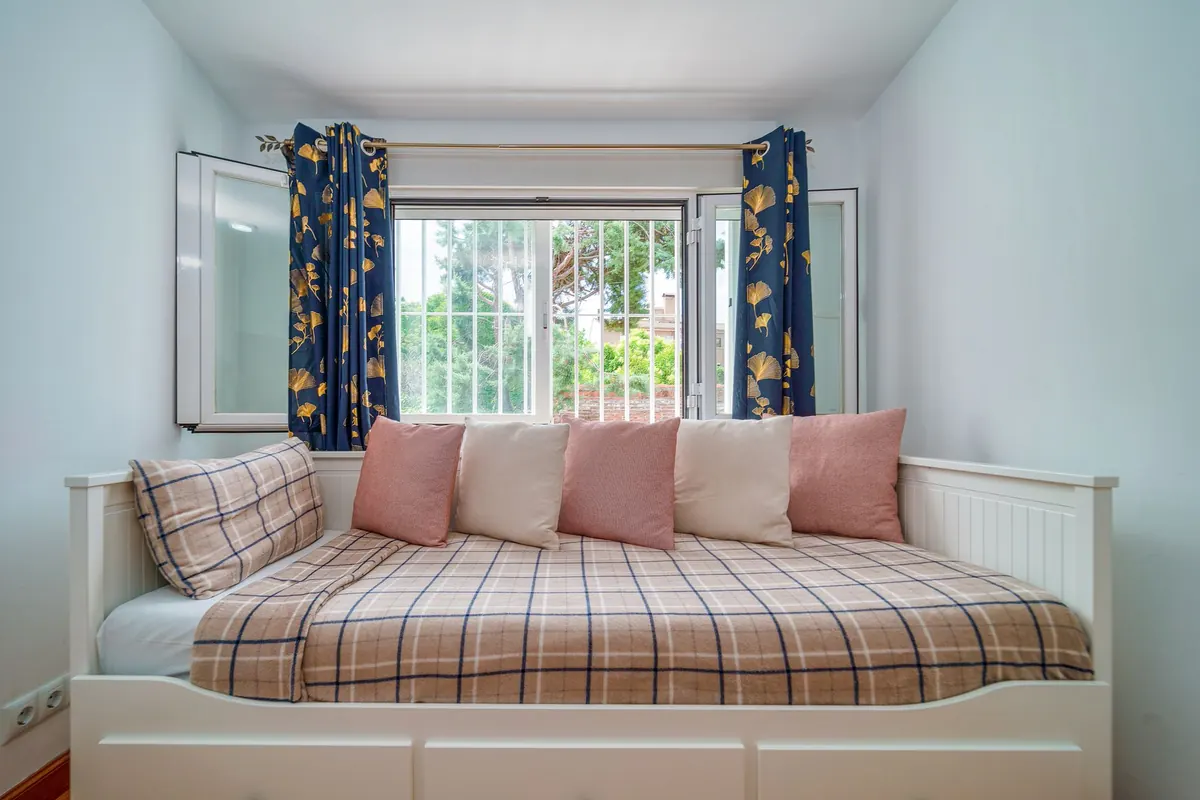
Then add the soft things that make a corner feel inhabited: two or three cushions rather than six, a throw folded over an arm, a basket within reach for the ones you are not using. Full-length curtains — even a single pair on one window — add warmth and, usefully, absorb sound.
Most open-plan kitchens are lit for work: a grid of ceiling downlights, excellent for chopping onions and unkind for reading a novel. The fix is not to replace them but to stop relying on them after dark. Build three layers instead.
Keep the colour temperature warm — around 2700K. Cool white bulbs make even a wool throw look like an office. If you are dimming LED bulbs, check the dimmer is rated for them, otherwise you will get flicker or a faint buzz. And keep cables tidy: run them behind furniture and clip them to skirting rather than stretching a lead across the floor.
Hard floors, gloss units, a fridge, a dishwasher: an open-plan kitchen bounces sound around, and a noisy corner never feels cosy. Upholstered chairs, a rug, cushions, curtains and a fabric lampshade all soak up a little of that echo. A shelf of books and objects breaks up reflections too.
For scent, keep it gentle and placed near the seating rather than over the hob — a reed diffuser or a single candle. Never leave a candle burning unattended, and keep it well clear of curtains, throws and anything else that might catch.
If space is genuinely limited, one good armchair with a footstool and a slim side table will feel more inviting than two squeezed-in chairs. A bench built at around 45cm high, with storage under a hinged lid, gives you a seat, a blanket store and a place to drop a tray of tea. In a rented flat, stick to freestanding furniture and plug-in wall lights so nothing needs drilling. Always check door swings, radiator clearance and where the sockets are before committing to a layout.
Give it a week before you buy another cushion or move the sofa again. A snug is not a room you build; it is a set of cues — furniture that turns its back on the kitchen, something soft underfoot, lamps at eye level — that together say sit down. Get those three right and the rest takes care of itself.
Photo: Max Vakhtbovych / Pexels
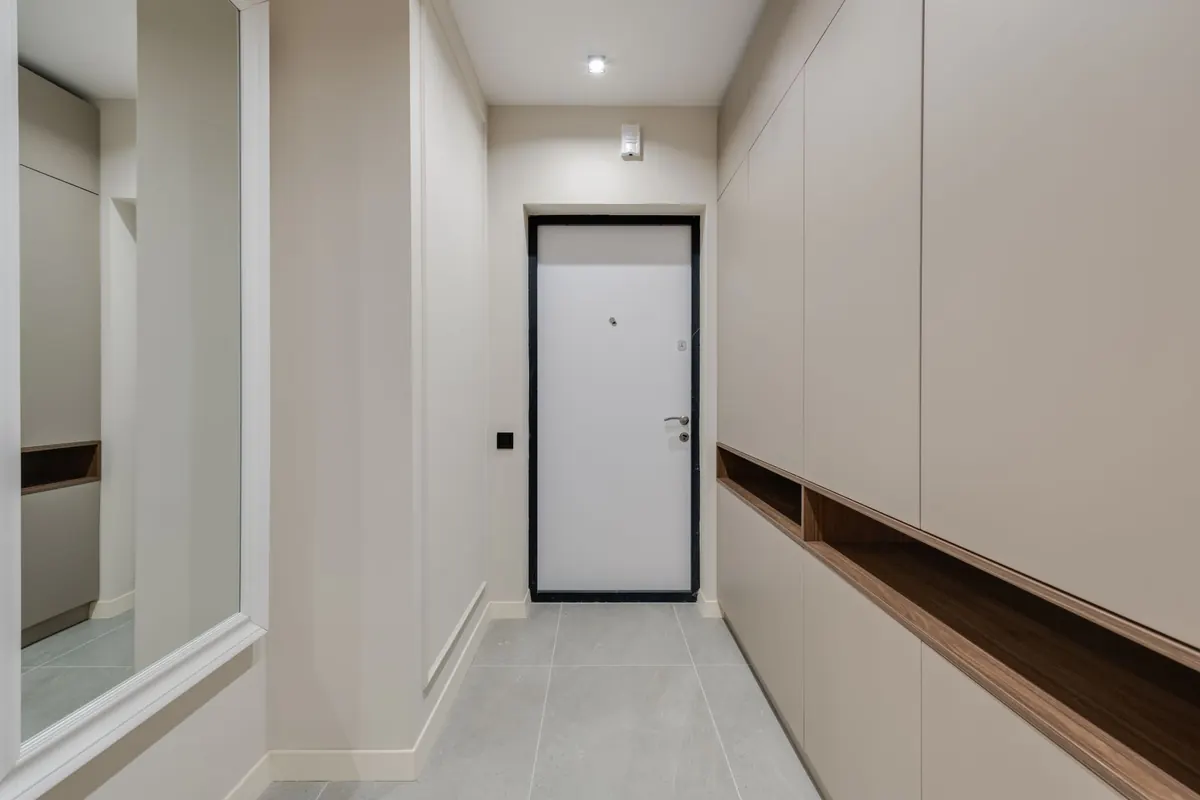
Small ideas for cozy corners and compact homes.
Copyright © 2026 Nook Bit. All rights reserved. Nook Bit.